

Whilst we have our preferred marques here at AJL Classic Engineering Ltd, that doesn’t mean that we turn others away. To the contrary, we’re more than happy to assist where we can. It just means that sometimes we may not have the club-level contacts that are required with the more obscure marques, or older vehicles. An elderly gentleman in our village has two Baby Austins: a Big 7 and an A30. He has owned the Big 7 for a number of years, maintaining it himself, but since a recent illness, he is now finding it a bit too much. He has asked us to carry out a couple of jobs for him.
The first was to replace a leaking head gasket.
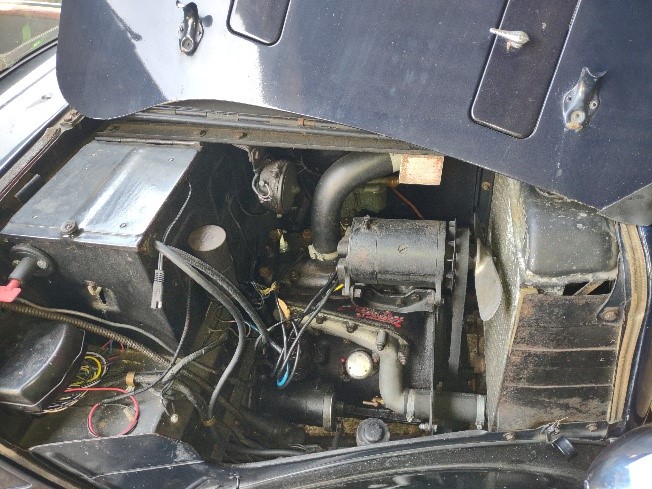
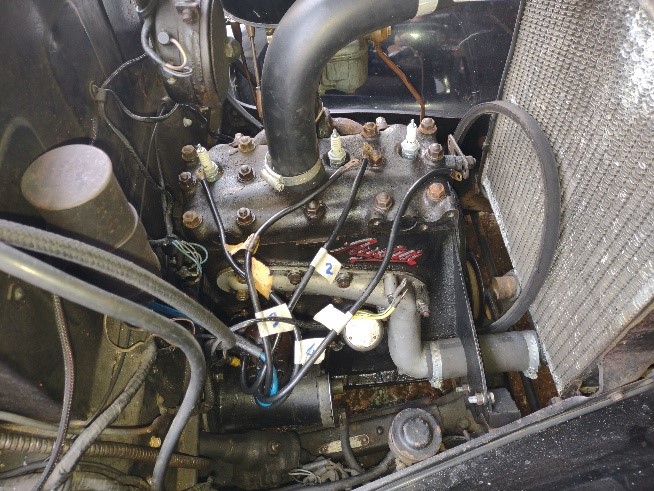
Bonnet and Dynamo removed we can get to the head a lot easier.

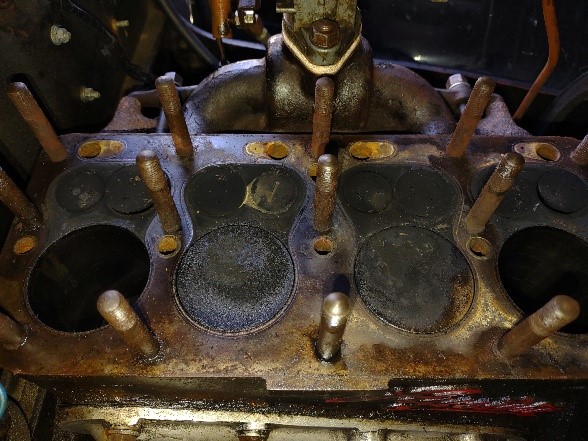
With the head removed, a clean-up of the combustion chambers was carried out. The owner requested we leave the valve train alone. The cylinder bores are in very respectable condition, the pistons showing a 0.060” rebore at some time in the past.
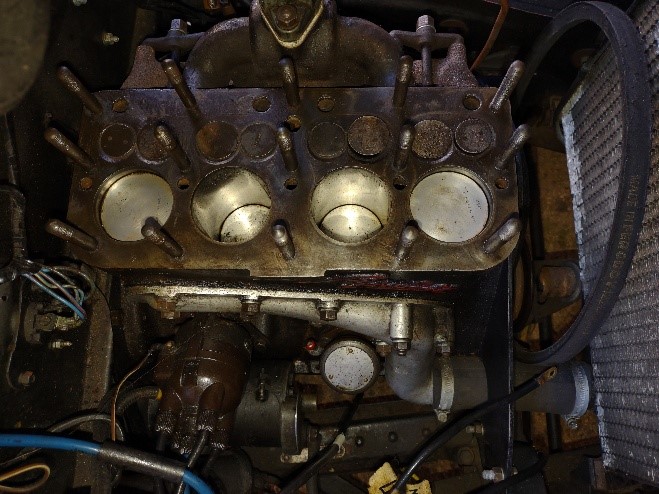
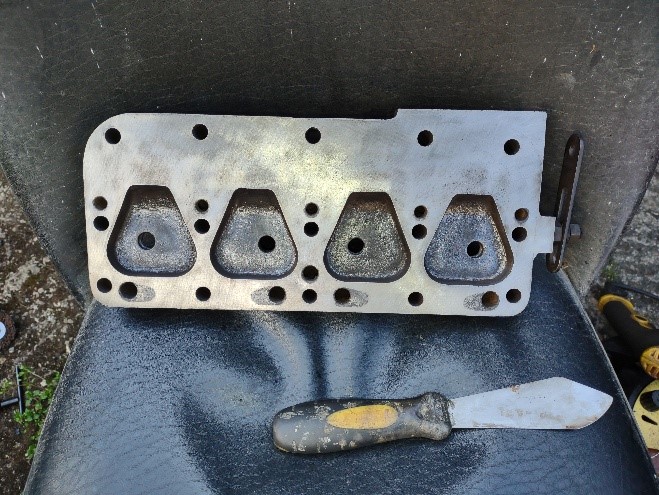
Unfortunately, the valves and their respective seats are showing quite a lot of damage. However, the head and block have been cleaned up, the decision taken to enjoy the car this summer and worry about the valve train this winter.
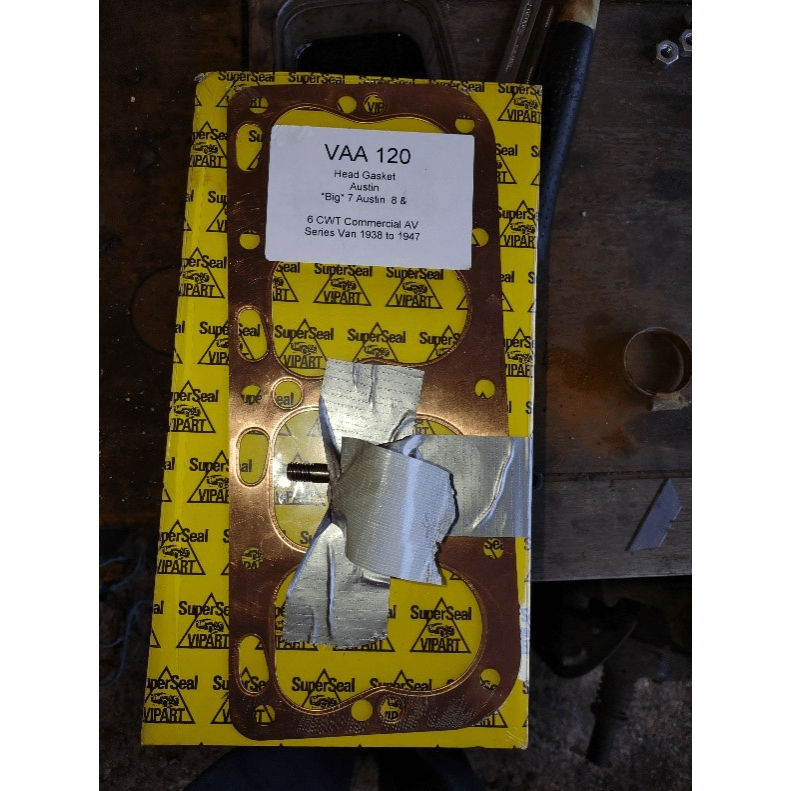
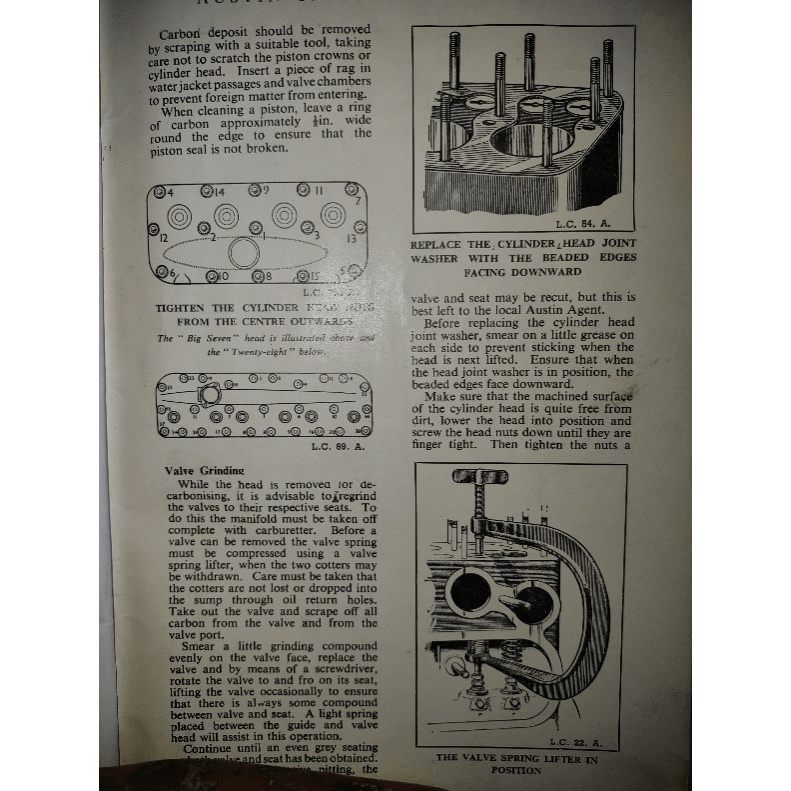
The new head gasket arrived. Thankfully, in AJL’s archives, we have a number of publications that refer to the Austin Big 7. The upper diagram of the two illustrates the tightening sequence for the head nuts of the engine. The instructions also specify the gradual manner in which the desired torque should be applied.
The head is back on, the nuts are cleaned, fitted, and torqued up to the value provided by the owners’ club. In the below photo, the spark plugs are in place to stop dirt falling into the combustion chambers whilst the engine is being reassembled.

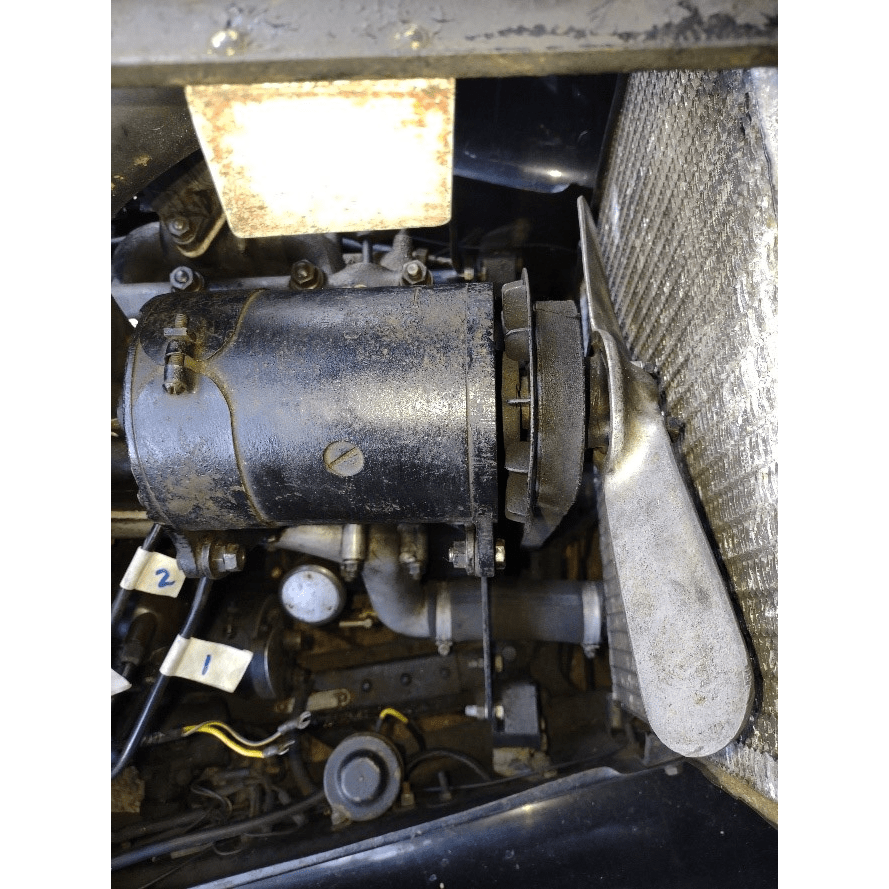
All back together again. It’s quite surprising how much of a dominant feature the dynamo is in this engine bay. It is also a note of interest that, yes, the fan blade is fitted to the dynamo, as it was common for engines of this period not to have a water pump. They relied on the movement occurring as the water naturally heated and cooled as it travelled between the engine and radiator.
As the photo at the beginning of this page shows, we are dealing with not one but two Baby Austins, the second being a 1955 A30. This car, recently purchased by its current owner, had been off the road for several years. Whilst AJL’s brief was primarily to focus on the Big 7, the fact that both Austins live in the same village as us means that we get roped in from time to time on the A30
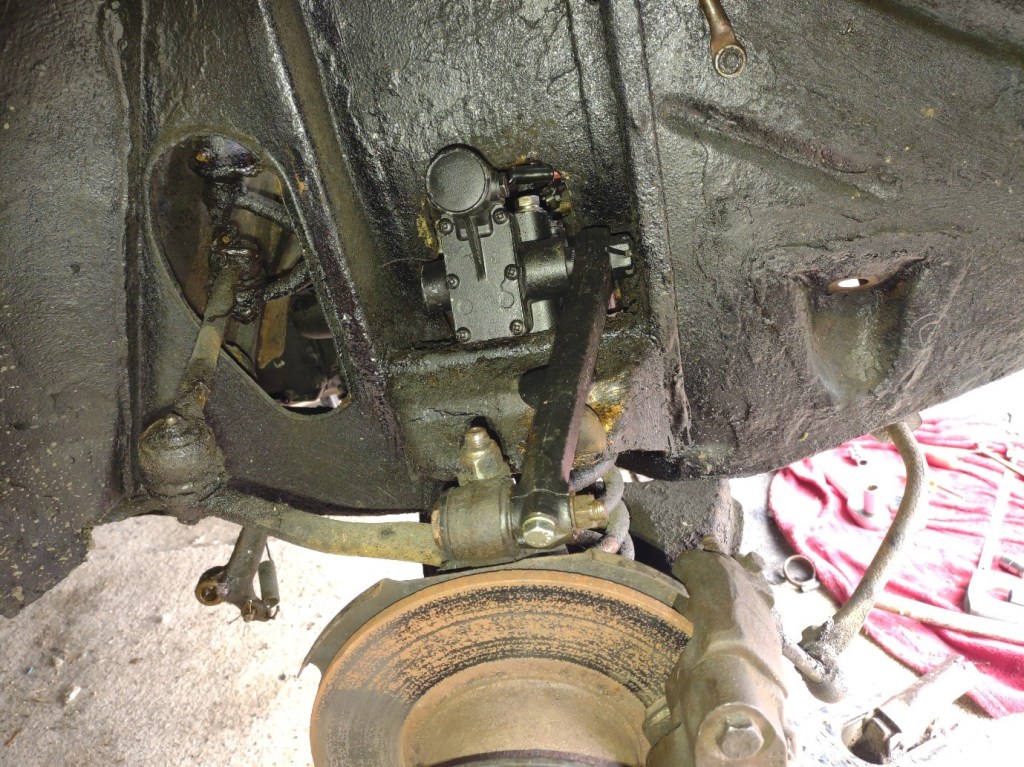
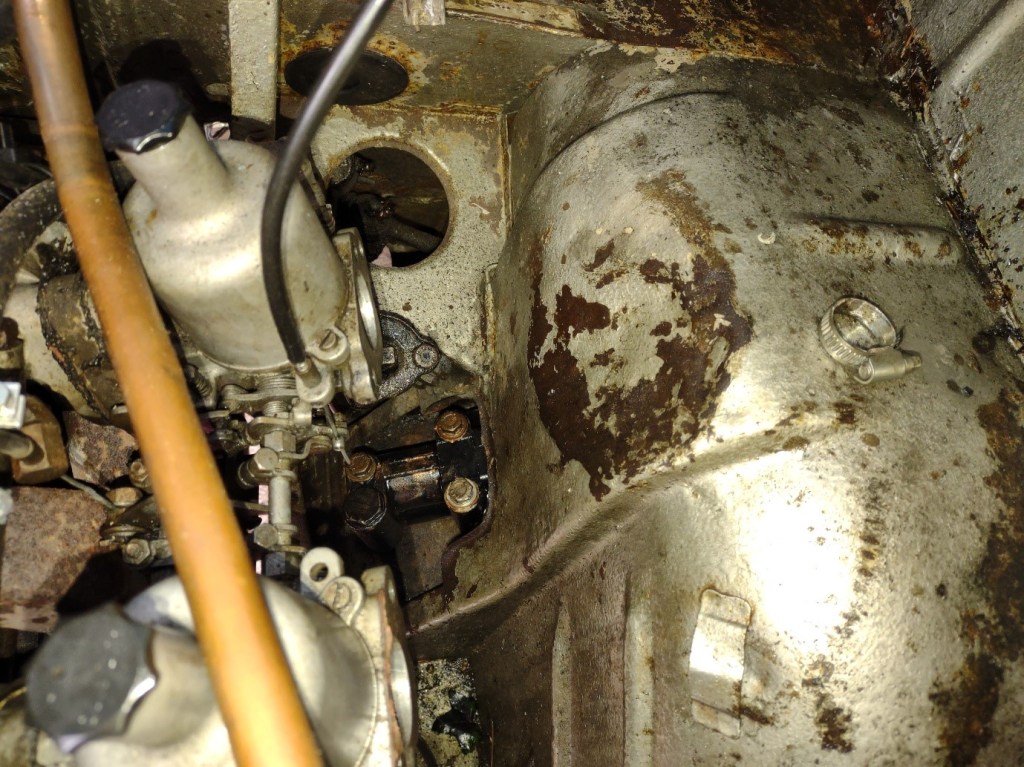
Among numerous other jobs, new shock absorbers all round, as well as a full overhaul of the braking system, are being carried out. Below shows a twin 1¼” SU carburettor set-up. This and other modifications, such as the front disc brake conversion, are proving challenging regarding the location of spare parts, but nothing is impossible.
As work chugs on at a slow and steady pace with the A30, AJL can now turn our attention to the driveline shudder that this Big 7 has suffered from for a while.
 AJL Classic Engineering Ltd
Leave a comment